





When winter comes, your dog feels it just as much as you do. The icy sidewalks, salty slush, blasting winds and darker days all land on that little body you love so much. They may still bounce at the sound of the leash, still curl up at your feet at night, but their paws, joints and immune system are working harder behind the scenes. Preparing your dog for winter is not about overprotecting them; it is about giving their body what it needs so they can keep doing what they do best: loving you, following you from room to room, and greeting every new day with that open-hearted enthusiasm we secretly wish we had too.
Below are five essential winter health foundations, written with a whole-family wellness lens. Think of them as your cold-weather care ritual—for you and your dog.
A seasonal check-up: because prevention is love
Before the snow really sticks, schedule a quick health check with your vet, especially if your dog is a puppy, a senior, a small breed, or living with heart, kidney, thyroid or joint issues. Cold and damp conditions can make arthritis flare, stiffen muscles and make it harder for some dogs to regulate their temperature.
Use this appointment as your winter “reset.” Ask about weight, joints, skin, and whether your dog’s current food and supplements are still the best fit for the season. If your dog takes any medications, confirm dosing and timing. This is also the perfect time to talk about realistic walk lengths for very cold days and what warning signs you should watch for at home.
Once you are in winter mode, pay attention to your dog’s body language outside. Shivering, tucking the tail tightly, lifting paws off the ground, slowing down, or begging to turn back are not stubbornness—they are your dog saying, “I am done.” Bringing them inside when they “tell” you to is one of the kindest health habits you can build.
Paw care: little feet, big job
If you have ever felt your own skin crack in winter, you already understand how vulnerable dog paws can be. Ice, rough surfaces, and especially road salt and de-icers can dry, irritate and even burn pads. On top of that, many of those residues end up on your floors—and in your dog’s mouth when they lick their feet.
Think of paw care as the canine version of winter skincare. Many dogs do well with booties, especially in urban areas where salt is heavy. It may take a bit of training and a few funny videos as they “high step” around the living room, but most dogs can learn to tolerate them, and some come to associate booties with the fun of going outside.
If your dog absolutely refuses footwear, a protective paw balm or wax applied before walks can act like a barrier cream. Trim long fur between the toes so ice balls do not accumulate, and build a habit of wiping paws, legs and belly with a damp cloth or pet-safe wipes as soon as you get home. This quick ritual removes salt, chemicals and grit, and gives you a chance to spot cracked pads, redness or lodged pebbles before they turn into bigger problems.
Dressing for the weather: rethinking the winter wardrobe
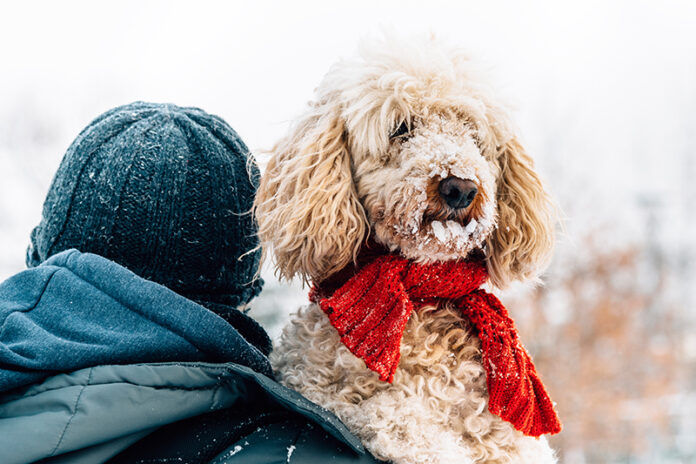
Not every dog needs a coat, but many do—and more than you might think. Short-haired breeds, toy-sized dogs, dogs with very low body fat, seniors, and those with certain health conditions often struggle to stay warm in freezing temperatures. For them, a well-fitting jacket or sweater is not indulgent; it is practical healthcare.
Look for outerwear that covers the chest and belly (those areas get the most slush and wind) without restricting movement. The neckline and leg openings should be snug but not tight, and there should be no dangling straps that could catch on ice or branches. If a coat is obviously wet when you come in, hang it to dry completely before the next walk; a damp layer against cold air will chill your dog faster, not protect them.
At the same time, avoid shaving your dog’s coat too short in winter. A clean, lightly brushed, slightly longer coat is nature’s own insulation. You can still tidy around areas that mat or trap snow, but think “winter trim,” not “summer cut.” The goal is warmth, not a runway moment—though your dog might very well deliver both.
Home as a winter sanctuary
In deep winter, your dog’s true “climate” is not the weather report; it is the space you share together. Most companion dogs should live indoors full-time during cold months, going outside only for walks, play and bathroom breaks. Prolonged unsupervised time in the cold is hard on joints, circulation and core temperature, even for hardy breeds.
Indoors, create a warm, draft-free sleeping spot. A thick bed raised off tile or hardwood floors is ideal. If your dog is older or arthritic, consider an orthopaedic bed to cushion joints that already work harder in cold air. Keep beds away from door drafts and out of the direct path of heaters, which can dry the skin and nose.
If your dog still spends some time in a yard, ensure they have access to a proper shelter: dry, insulated, off the ground, with snug bedding that stays clean and reasonably warm. Check water bowls often—outdoor bowls can freeze, but even indoor bowls can be neglected when routines get busy. And remember, a parked car in winter can become a freezer; never leave your dog inside unattended, even “for a minute.”
Food, movement and hidden winter toxins
Winter is when our own habits shift, and our dogs’ health often shifts with them. Some dogs become little snow athletes and burn more calories outside; others spend more time curled up, moving less. Either way, talk to your vet about whether to adjust your dog’s portions slightly so they stay lean, energised and comfortable. Winter weight gain can sneak up quickly, especially when walks get shorter.
When the weather is brutal, bring the movement indoors. Short training sessions, scent games, puzzle feeders and gentle indoor play all give your dog’s brain a workout, even when you cannot spend as long outside. Mental exercise can be just as tiring (and satisfying) as a long walk, and it helps prevent “cabin fever” behaviours like barking, chewing and restlessness.
One more winter truth: this is toxin season. Antifreeze, many de-icers and some ice melts can be extremely dangerous if licked or ingested, and pets are often exposed through spills in driveways or residues on sidewalks. Store these products securely, clean up spills right away, and be extra diligent about that post-walk paw and belly wipe. If you ever suspect your dog has licked antifreeze or another chemical, or if they seem suddenly weak, unsteady, excessively drooly, or “just not right,” seek emergency veterinary help immediately. Trust your instincts; you know your dog.
Winter with a dog can be magical: those quiet early morning walks in fresh snow, the sound of paws crunching, the way they burrow into your side on long, dark evenings. By tending to their paws, their warmth, their nutrition and their environment, you are doing more than “winterising” your pet. You are building a season of shared comfort, safety and joy—for them and for you.