





A grown-up, very honest, slightly fun field guide to peptides, IV drips, glow beds, ice tubs and the longevity clinics worth flying to — what each one actually does, what it costs, and yes, what to wear.
It’s 9:14 on a Tuesday morning and the woman in the chair next to yours is asleep under a cashmere blanket. A slow drip of NAD is going into her arm. Her AirPods are in. Her espresso has gone cold on the side table. Her assistant — a woman in linen trousers and quiet sneakers — is answering email from a laptop balanced on her knees. The lighting in the room is warm. There is an essential-oil diffuser doing something with cedar. Outside the frosted-glass door, somebody is having a stem-cell facial.
This is not a hospital. This is not a doctor’s office. This is, depending on which city you’re reading this in, your Tuesday morning too — or about to be.
Biohacking, until very recently, was something other people did. Men, mostly. In garages. In cold tubs at 4am. With podcast microphones and the kind of bloodwork energy that makes you want to lie down. The available reading material was either bro-shouting or PubMed-paragraph, and neither was written for the woman who actually has the money, the curiosity, and the calendar to do this seriously.
But somewhere in the last eighteen months the whole world tipped. Quietly, expensively, and with much better lighting than the men. The peptides are in your friend’s fridge. The CGM is on her arm under a silk blouse. The Lanserhof booking is locked in for September. The NAD drip happens between her 10am and her lunch. She is not telling you about it because she doesn’t quite know where to start.
This is where to start.
What follows is the field guide we wanted to read — eight modalities, no jargon, real prices in 2026 dollars, the actual best clinics in the city you’re in, and yes, what to wear to each of them. (We are not pretending we don’t think about it. That is not who we are.)
One grown-up disclaimer first. Almost everything on this list needs a real doctor’s eye on it. A few of them have real risks, especially mixed with medications you might already be on. Biohacking sounds like a hobby. It is, mostly, medicine. Find a clinician who actually treats women your age before you order a single vial.
Pour yourself something. Here we go.
1. Peptides (the new vocabulary you need)
In plain English
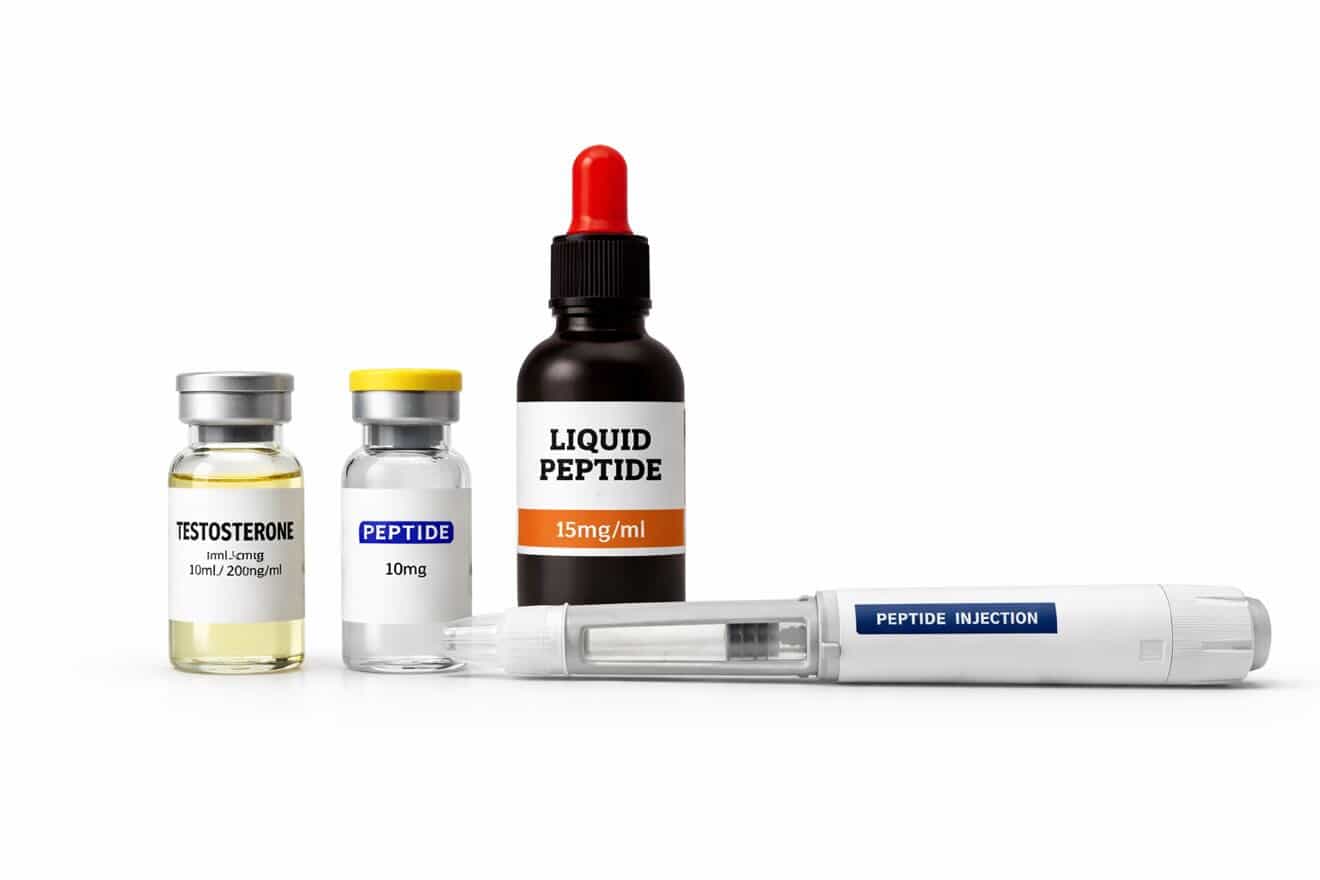
Peptides are short strings of amino acids — small molecular post-it notes that tell your body to do specific things. Heal this. Build that. Quiet this hunger. The two everyone is whispering about right now are GLP-1s (Ozempic, Mounjaro, Zepbound — appetite, blood sugar, weight) and BPC-157 (a recovery-and-gut-healing peptide derived from a protein found in human stomach lining; do not Google the photos).
What they actually do
GLP-1s slow your gastric emptying and turn down your “food noise” — the constant low chatter in your head about what to eat. They are also turning out to be cardiovascular and possibly cognitive game-changers. BPC-157 is the one your friend who runs marathons (and the one who’s six weeks post-op) is on — it accelerates tendon and tissue repair, soothes a wrecked gut, and is the peptide most associated with “I feel like myself again.”
What it costs
GLP-1s with insurance: $25–$75/month. Out of pocket: roughly $1,000–$1,500/month, dropping fast as competitors enter the market. BPC-157 via a real clinic program: typically $200–$500/month, plus an initial workup ($150–$400) and baseline labs ($100–$250). As of February 2026, BPC-157 is back in FDA Category 1, which means a licensed compounding pharmacy can legally prepare it again under physician prescription — meaning the legitimate route is open. Use it.
Where to start the conversation
A women-led longevity practice, not a gym-bro telehealth site. New York: The Lanby, Inside Tracker-affiliated MDs, or your concierge GP. Los Angeles: Next Health, or a functional-medicine practice in Santa Monica. London: The Wellness Clinic at Harrods, Lanserhof at The Arts Club. Toronto: Cleveland Clinic Canada, Equation Wellness in Yorkville, or a Forest Hill–based functional MD. Vancouver: Eos Medical, Connect Health, or a longevity-focused practice in South Granville. Montreal: Lapinière Health & Wellness Centre, or a precision-medicine MD in Westmount.
What to wear
For injection day, anything you can pull up to mid-thigh or push up at the bicep. A loose Toteme knit dress ($590), a Khaite cashmere set ($1,890 for the twin-set), a Jacquemus mini with bare legs (~$590) — anything that makes “I just stabbed myself in the thigh in a Mercedes” look intentional.

2. NAD+ IV drips (the energy currency, in a bag)
The simple version
NAD+ is the coenzyme your cells use to make energy. You make less of it every year you’re alive (sorry). The drip puts it back, IV, over the course of about two to four hours, in a chair, while you very glamorously pretend to answer emails.
What it actually does
Reported: mental clarity that lands somewhere between “great night’s sleep” and “I am suddenly the smartest woman in this Zoom.” Better mood. Better workouts. Hangover-proofing, if you go in the morning after. Real research is still catching up to the marketing, but the women I know who do it monthly all report the same thing — they feel sharper.
Worth knowing: the first drip can feel intense. Tight chest, weird warm pressure in your head, a strong urge to ask the nurse if she’s sure. She’s sure. Slow it down and breathe.
What it costs
$250–$1,500 per drip, depending on the clinic and the city. Beverly Hills and the West Village will charge you toward the top of that range; mid-size markets land closer to $300–$500. Most protocols start with a “loading phase” of 4–10 drips in the first few weeks, then monthly maintenance. A six-pack will save you about 20%.
Where to book it
New York: The Well, Next Health, REMEDYPLACE (the social-club version of an IV bar). Los Angeles: Next Health, REMEDYPLACE, The DRipBaR. London: Hum2n, Get a Drip. Toronto: Drip Hydration Toronto, INFUSE Wellness, MD Beauty Clinic on Bloor. Vancouver: IV Wellness Boutique, Liv Vitality. Montreal & Calgary: Drip Hydration (both cities), Reset IV Lounge. Inside resorts: RoseBar at Six Senses Ibiza, Lanserhof Sylt, Sparkling Hill Resort in BC.
What to wear
A short-sleeve cashmere tee (Jenni Kayne, ~$295) or a button-down with the sleeves rolled. Bring a silk eye mask (Slip, $55), AirPods Max ($549), and a slim cashmere wrap (White + Warren travel wrap, ~$398) — IV bars are always cold. A small cross-body (the Polène Numéro Neuf Mini, ~$520) so you can pee without rolling your IV pole through a frosted-glass corridor.
3. Methylene blue (the one to actually be careful with)
What it actually is
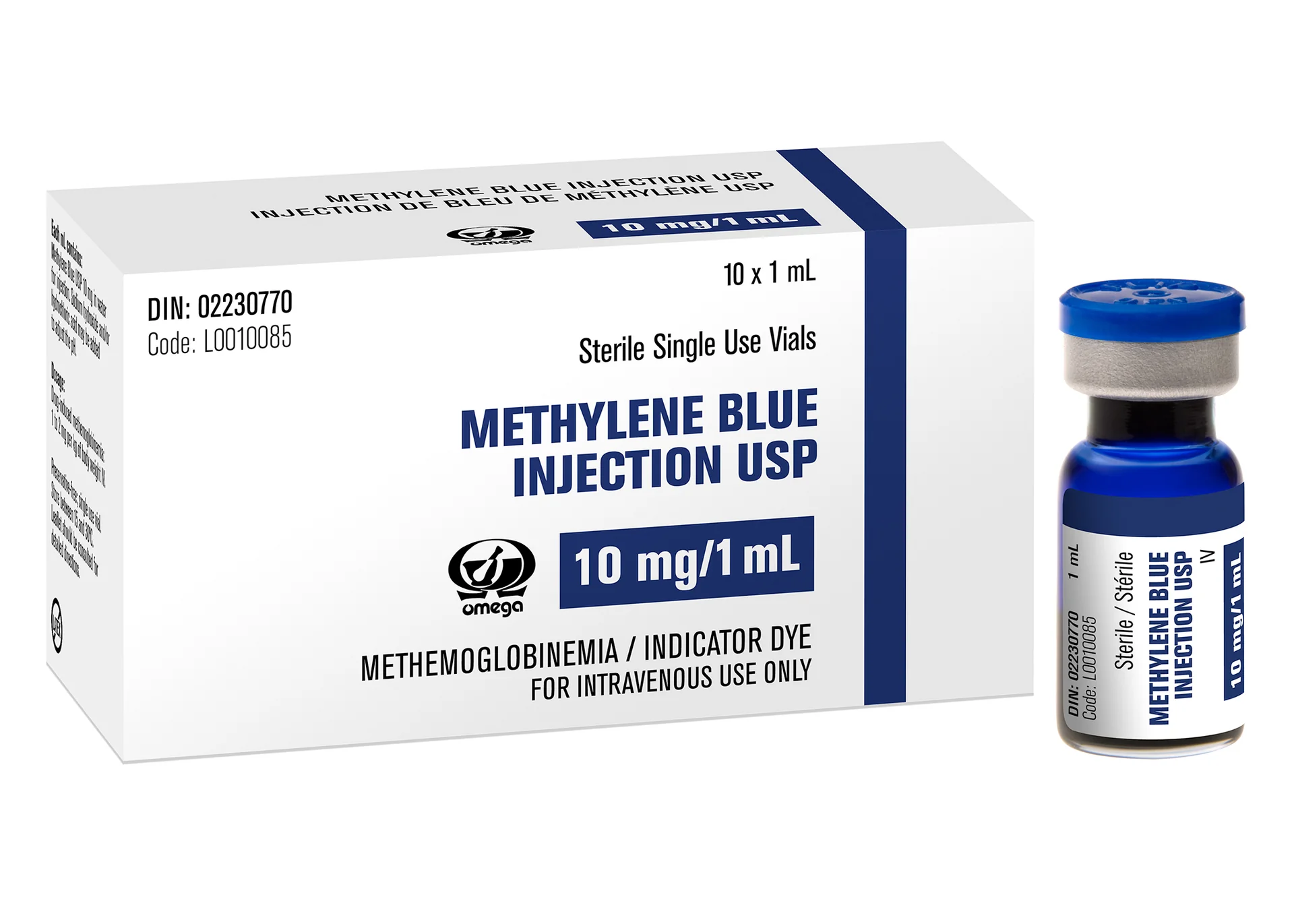
A century-old synthetic dye that biohackers are now drinking by the dropper full for its supposed mitochondrial benefits. It will turn your tongue, urine, and possibly your white sweater bright blue. This is not a marketing exaggeration. It is, literally, dye.
What it actually does
The hype: better mood, sharper focus, anti-ageing, neuroprotection. The reality: most of the human evidence is small, preliminary, and based on doses very different from what’s being sold on Instagram. At doses above ~4 mg/kg it flips from antioxidant to pro-oxidant — i.e. it stops helping and starts harming.
The honest warning
This is the one to be most careful with. Methylene blue can interact dangerously with SSRIs, SNRIs, and many anti-anxiety medications — the combination can trigger serotonin syndrome, which is a real, sometimes life-threatening emergency. If you take an antidepressant of any kind, this is not for you full stop. If you don’t, take it only under a doctor’s supervision, at a dose a clinician set, from a pharmaceutical-grade source.
What it costs
A pharmaceutical-grade compounded prescription via a real clinician: ~$50–$150/month. The Instagram brands: less, and we don’t recommend them.
Where to do it (carefully)
Under a longevity physician’s supervision, full stop. Not from a dropper bottle bought via DM. If your practitioner is hesitant, listen to your practitioner. In Canada, compounded methylene blue requires a prescribing physician working with a licensed compounding pharmacy — Pace Pharmacy in Toronto and Finlandia in Vancouver are two that work with longevity MDs.
What to wear
Black. Always black. (We’re not joking. Ask anyone who has ruined a Cuyana tee — RIP, $78.)
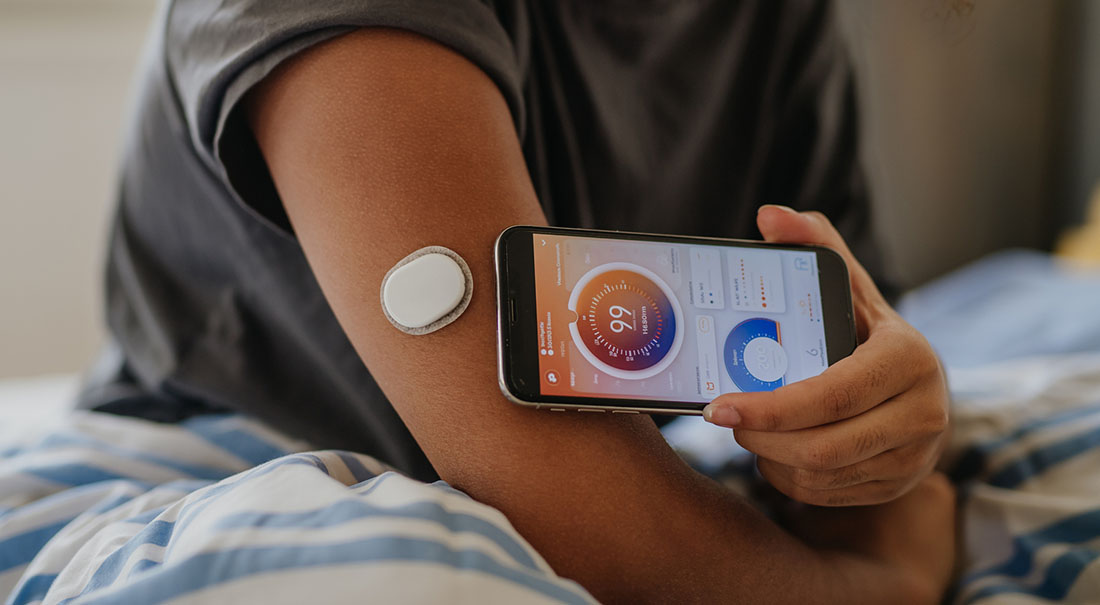
4. Continuous glucose monitors (the bracelet that judges your croissant)
The two-sentence version
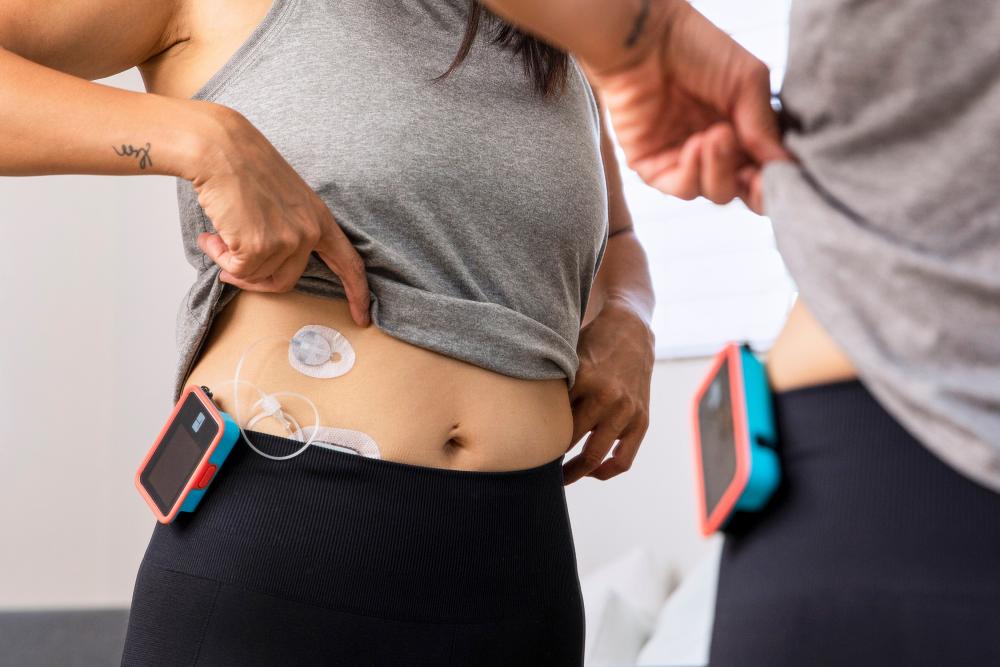
A small disc you stick on the back of your upper arm for 14 days. It reads your blood glucose continuously and sends it to your phone. You will become an obsessive overnight. This is fine.
What it actually does
You learn — concretely, with a graph — which foods spike you, which combinations don’t, why you crash at 3pm, and why the “healthy” oat-milk latte is doing more damage than the croissant. For perimenopausal and menopausal women especially, this can be a quiet revolution. Insulin resistance creeps up, and a CGM lets you see it before your scale or your doctor does.
What it costs
Abbott’s Lingo (OTC): about $49 for one 14-day sensor, $89 for two. Dexcom Stelo (OTC): similar. Nutrisense or Levels (CGM + app + a dietitian + coaching): from $179/month and up. Withings now integrates Lingo into its full at-home health ecosystem.
In Canada: Dexcom and Abbott Libre sensors are widely available through Shoppers Drug Mart, Rexall, and Loblaws pharmacies, and Canadian programs like Veri and January AI support non-diabetic users. The cost is similar to US pricing.
Where to get one
Wherever you are. The whole point is that this is the at-home one. Pair it with a real dietitian for two months and then graduate — you don’t need it forever, just long enough to know your own body.
What to wear
The Lingo disc lives on the back of your upper arm, just under the deltoid. Sleeveless dresses, tank tops, and bias-cut slips will show it (which a certain set considers a flex). If you’d rather it disappear: any short-sleeve tee. It’s tiny.
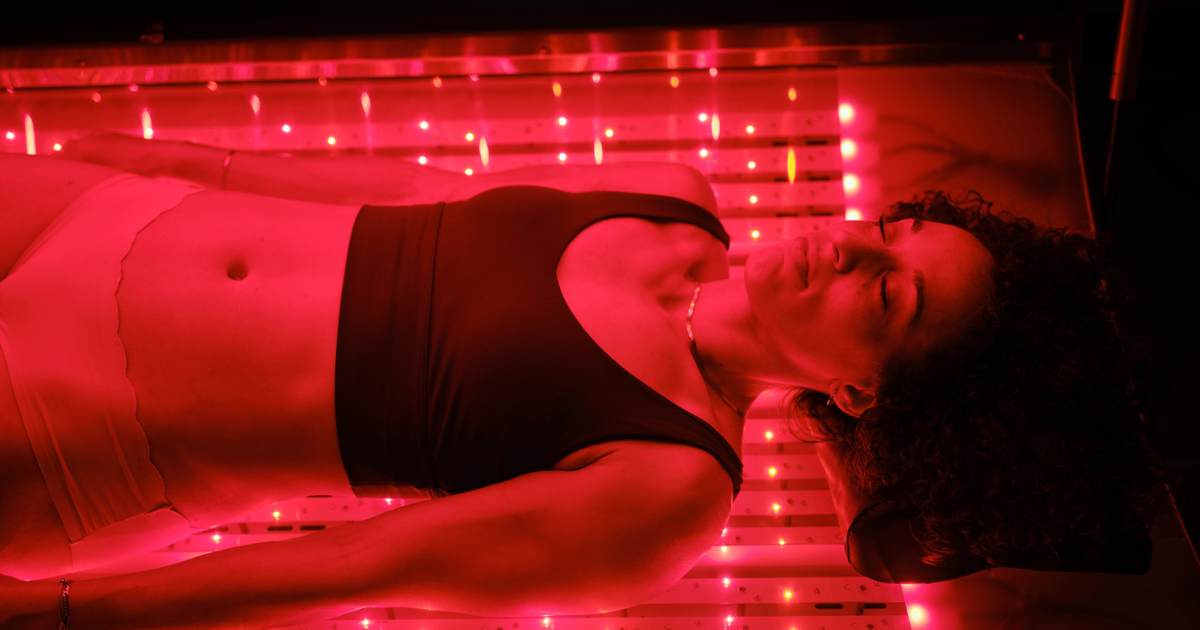
5. Red light therapy beds (the glow bed)
Picture this
A clamshell tanning-bed-shaped pod that bathes you in specific wavelengths of red and near-infrared light. It does not tan. It does not burn. You lie in it naked for 12–20 minutes listening to a playlist and being extremely smug.
What it actually does
At the cellular level, those wavelengths stimulate your mitochondria, which is a sentence that means: better collagen production, faster muscle recovery, reduced inflammation, calmer skin, better sleep when used in the morning. Most users notice changes in skin texture and sleep within 4–8 weeks of consistent use.
What it costs
Clinic session: $25–$200 depending on whether you’re doing a face panel or full-body bed. Most flagship beds run $50–$100 per 20-minute session. Home bed (the real flex): $5,000–$25,000 for a serious one. BIOMAX 900 panel ~$2,250, BIOMAX 1500 ~$4,250, the full-body BIOMAX 3000 ~$7,500; PlatinumLED BIO Series $1,800–$4,800; Joovv Elite 3.0 ~$10,499; the full-body clamshell NovoTHOR (the one in most clinics) ~$80,000. If you do this two to three times a week, the home bed pays for itself in about 18 months.
Where to lie down
New York: Higherdose, REMEDYPLACE. Los Angeles: Pause Studio, Higherdose, REMEDYPLACE. London: Glow Bar London, Higherdose. Toronto: Othership, Hammam Spa by Céla, Recovery Lab, Wellness Studio Toronto. Vancouver: Recovery Lab, Sole Spa, Skoah-adjacent wellness suites in Kitsilano. Montreal: Bota Bota’s wellness annex, Strom Spa Nordique’s contrast circuit. Inside resorts: Six Senses Ibiza, Aman New York, The Estate at Six Senses Napa Valley, Sparkling Hill Resort (BC).
What to wear
Nothing, ideally. (The light needs to actually hit skin.) If you must, a pair of opaque eye-protection goggles (the clinic provides them; the home pair from Joovv is $29) and your most no-thoughts cotton thong (Cou Cou Intimates, $32). A bias-cut slip dress to walk in and out of (Anémone, ~$295; or the Skin “Carla” slip, ~$210).
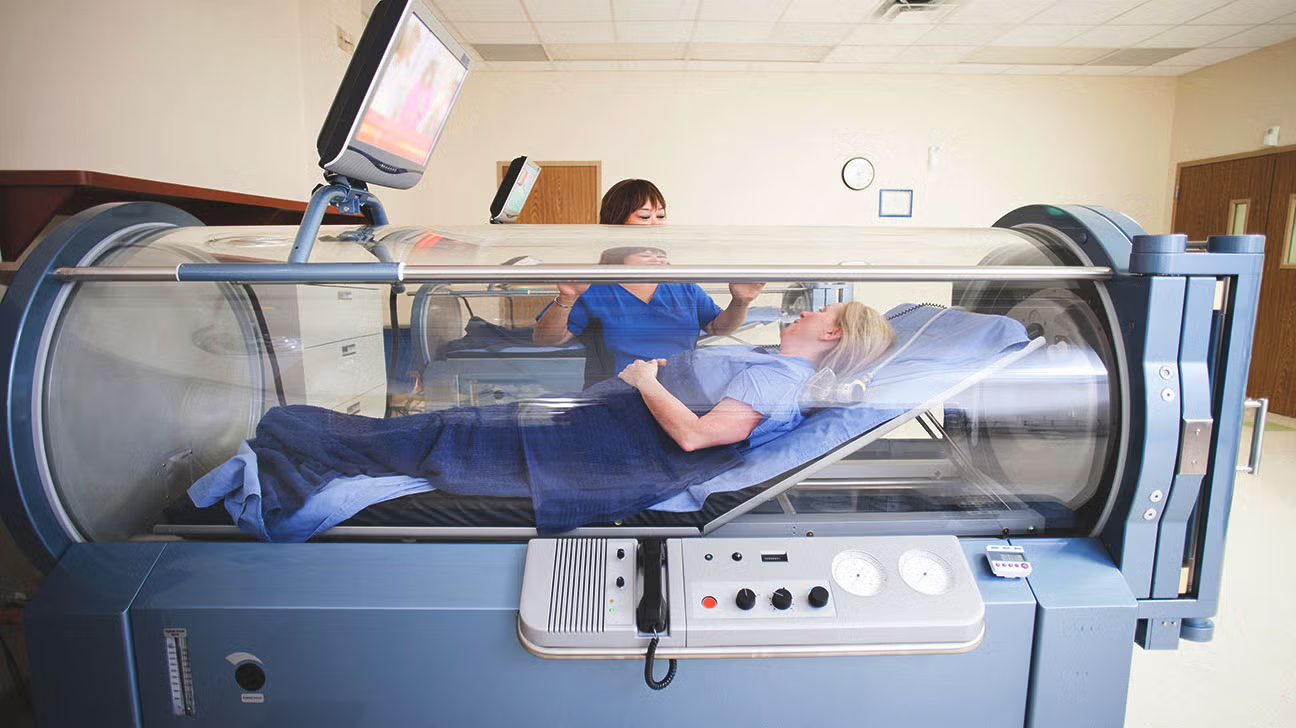
6. Hyperbaric oxygen therapy (a tube. of oxygen. yes, really.)
In one paragraph
You lie inside a sealed, pressurized chamber and breathe close-to-pure oxygen for 60–90 minutes. The pressure dissolves extra oxygen into your blood plasma, which floods tissues that don’t usually get much. It feels like being inside a calm submarine.
What it actually does
Used medically for wound healing, decompression sickness, and serious burn recovery. Used in the wellness world for cognitive performance, post-illness recovery, athletic recovery, skin rejuvenation, and post-surgical healing (with your surgeon’s blessing). The evidence is strongest for healing applications and growing in the cognitive space.
What it costs
Soft-shell wellness clinic session: $50–$150. Hard-shell medical-grade session: $150–$300. Premium longevity-clinic session (the deeper protocols at places like Aviv): $300–$1,000+. Most protocols run 10–40 sessions, so total cost lands anywhere from $3,000 to $26,000+. Memberships and packages cut per-session costs 30–60%.
Where to climb in
Florida & Dubai: Aviv Clinics — the gold standard for longevity-grade HBOT. New York: The Lanby, OxyHealth NYC. Los Angeles: Hyperbaric Healing, Next Health. London: Hum2n. Toronto: Cleveland Clinic Canada, Toronto Hyperbaric Oxygen Therapy Clinic, Newport HBOT (multiple GTA locations). Vancouver: HBOT Centre Vancouver, Wave Hyperbarics. Montreal: Hyperbarie Plus, Centre médical hyperbare de Montréal. Inside resorts: RoseBar at Six Senses Ibiza, Clinique La Prairie, Lanserhof Sylt, Sparkling Hill Resort (BC).
What to wear
Pure cotton head-to-toe. Mandatory. No synthetics, no zips, no jewellery, no makeup, no lotion, no perfume, no hair product. Bring a long-sleeve cotton tee and matching cotton trousers in a color you’d be photographed in — call it your HBOT capsule. (Eberjey Gisele long-sleeve PJ set ~$148; Skin “Audrey” cotton set ~$220; Sleeper Atlanta cotton set ~$320; Lunya restorative cotton set ~$248. All cotton-only, all photograph well.)
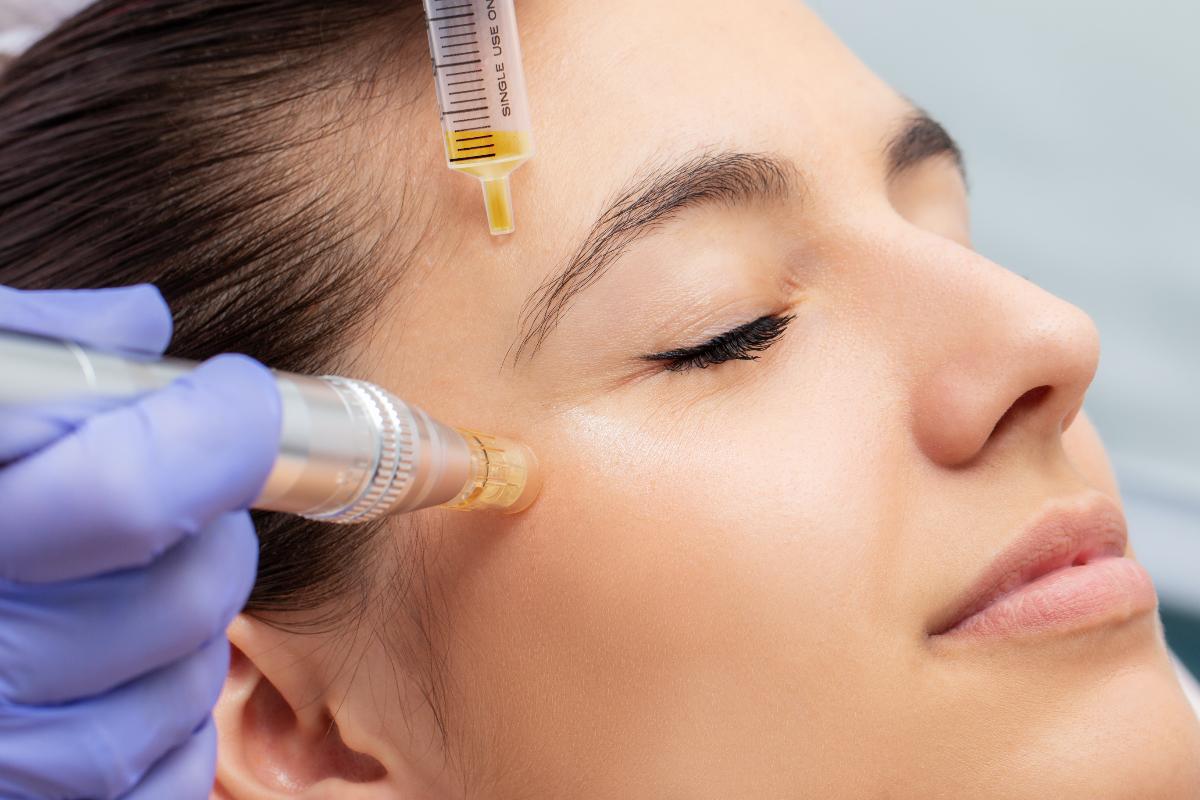
7. Stem cell facials (the most controversial entry on this list)
The honest translation
A category that ranges from “topical serum infused with plant- or human-derived stem cell extracts during a HydraFacial” to “actual injected exosome therapy after microneedling.” The price tag, and the science, vary wildly across that range. Be precise about what you’re actually buying.
What it actually does
At the topical / “growth factor serum + microneedling” level, the evidence for accelerated healing, better collagen and improved skin texture is solid. At the “we are injecting real stem cells into your face” level, the evidence is much earlier, the regulation patchier, and the price tag much higher — that’s the tier you’d only do at a serious medical clinic abroad (Switzerland, South Korea), not a med-spa above your nail salon.
What it costs
Topical stem-cell / exosome facial: $650–$1,900 per session. Injected medical-grade stem cell anti-ageing therapy: $4,000–$50,000+ per course, depending on country and protocol. At-home version (because you asked): Angela Caglia Cell Forté Serum, ~$325, is the one your dermatologist will reluctantly admit she keeps in her own bathroom.
Where to be precise about what you’re buying
International medical-grade: Clinique La Prairie (Switzerland), top Seoul clinics (the Gangnam belt). New York: Dr. Barbara Sturm, Dr. Lara Devgan, Joanna Czech. Los Angeles: Dr. Barbara Sturm Beverly Hills, Kate Somerville Clinic. London: Dr. Sturm London, Dr. Galyna Selezneva. Toronto: Skin Vitality Medical Clinic, Dr. Sean Rice in Yorkville, SpaMedica. Vancouver: Project Skin MD, Anti-Aging Medical & Laser Clinic. Montreal: Victoria Park MedSpa, Dermapure Westmount.
What to wear
Anything that doesn’t have a turtleneck. You’ll leave a little pink, a little glossy, sometimes a little swollen. Wear a silk slip dress (La Ligne “Adeline,” ~$345) with a slouchy blazer (Toteme double-breasted, ~$890), or your most forgiving Khaite knit (the “Mae” cashmere cardigan, ~$1,580). Sunglasses on the walk out, mandatory — the Khaite “Olivia” oversized round, ~$420, do the most flattering job.
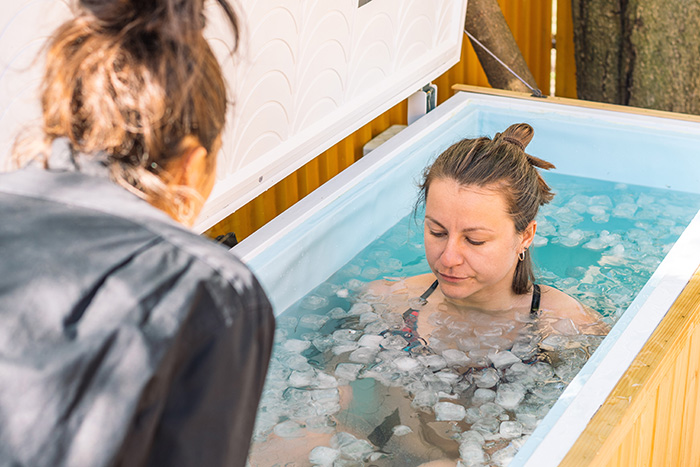
8. Cold plunges (the most low-tech, the most underrated)
The simplest one on this list
A small tub of water held at 50–59°F. You get in. You breathe. You stay 1–10 minutes. You get out. You feel amazing.
What it actually does
For women specifically — and this is where the bro coverage falls down — cold plunging supports nervous-system regulation, lowers cortisol, improves insulin sensitivity, can reduce PMS and hot-flash symptoms, and creates a documentable mood lift via dopamine. Many perimenopausal women say it’s the single most stabilising thing they added to their routine.
A note on timing: don’t do it in your luteal phase if you’re cycling and prone to anxiety — your body is already in a stress-response window. Mornings, follicular phase, after a workout: ideal.
What it costs
Studio session: $25–$60 (often bundled with infrared sauna). Home plunge: Plunge Pro from $4,990, Inergize from $5,000, Cold Stoic and Ice Barrel for under $1,000 (basic but functional). The luxury install — a built-in stone-rimmed plunge in your spa bathroom — starts at about $25,000.
Where to plunge
New York: Bathhouse, Othership (Williamsburg + Flatiron), REMEDYPLACE. Los Angeles: REMEDYPLACE, Pause Studio, ContinuumWellness. London: Glow Bar London, Brass Monkey. Toronto: Othership (King West + Yorkville), Hammam Spa by Céla, Body Brave, Wellness Studio Toronto. Vancouver: Recovery Lab, Othership (opening), VIDA Wellness Spa. Montreal: Bota Bota Spa-Sur-l’Eau, Strom Spa Nordique, Scandinave Spa Vieux-Montréal. Inside resorts: Aman New York, Six Senses Ibiza, Borgo Egnazia, Sensei Lanai, Sparkling Hill Resort (BC), Scandinave Spa Mont-Tremblant.
What to wear
Black bikini. Bandeau top is easiest because you’ll want to come out and put on a hooded towel robe immediately. Brands the regulars wear: Hunza G original crinkle bandeau ~$195; Eres “Les Essentiels” bandeau ~$420; Toteme triangle bikini ~$280; Skin “Lila” ~$210. A cashmere beanie if you want to look slightly insane and very chic (Khaite, ~$380; or Acne Studios, ~$260). A hooded waffle robe waiting on a hook (Parachute, ~$129; or Frette Hotel Classic, ~$295).
The Longevity Pilgrimage — Where to Go for the Full Stack
If you want to do all of this at once, in a glass-walled Alpine chalet with a butler who knows your supplement schedule, this is the circuit.
Clinique La Prairie (Montreux, Switzerland) — The matriarch. The original cellular-revitalisation clinic. Their Revitalisation Premium program (seven days, six nights) starts at around CHF 48,250 (~$54,000). You go for the full diagnostic-and-rejuvenation stack: bloodwork, hormones, IVs, treatments, the famous CLP signature injections.
Lanserhof (Tegernsee, Sylt, and at The Arts Club London) — The most medical of the medical spas. Modified Mayr fasting, deep diagnostics, microbiome work. The Lanserhof Classic medical program starts at €2,940 for 7 nights (medical only); rooms from €785/night. All-in, plan €10,000–€15,000 for a serious week.
SHA Wellness Clinic (Alicante, Spain — and now Mexico) — More Mediterranean, slightly less austere than Lanserhof, with a strong macrobiotic kitchen. Programs from roughly €6,000–€12,000 for 7 nights. The Advanced Longevity program starts around €7,500.
RoseBar at Six Senses Ibiza — The most fun of the longevity stays. Less white-coat, more white-sand. Three-day programs from €2,500, five-day from €3,900, seven-day from €5,500 (accommodation and meals billed separately). Best for women who want a longevity program that doesn’t feel like a punishment.
Palace Merano (Italian Dolomites) — Where the Chenot Method was born. Holistic, beautiful, intense. A six-day Revital Detox for Longevity starts at roughly €4,800 (program only), with rooms from €520/night — plan €8,500–€12,000 all-in for the week.
Aviv Clinics (Dubai and Florida) — For HBOT specifically. Not a retreat — a clinical program — but unmatched if hyperbaric is the modality you want done right. The flagship Aviv Medical Program is a 12-week protocol of 60 HBOT sessions plus full diagnostics, neuro-cognitive training, and physiologic care: ~$70,000 in Florida, AED 275,000 ($75,000) in Dubai. Shorter assessment-only visits start at around $4,500.
Sparkling Hill Resort (Vernon, BC) — The North American answer to the European medical-spa tradition, owned by the Swarovski family and built on a granite cliff over Lake Okanagan. Its KurSpa is the largest in Canada and the only one running a serious longevity-style program on this side of the Atlantic — cold plunge, infrared, salt rooms, hyperbaric, contrast hydrotherapy, and a precision-medicine-leaning medical wing. Programs from roughly CAD $4,500–$9,000 for a 5-to-7-day stay including accommodation. The flight is shorter, the wine is local, the protocols are real.
What to pack across the board: cotton-only basics (for HBOT and treatments); three pyjama sets that could be photographed (Eberjey Gisele ~$148, Lunya washable silk ~$298, Skin “Audrey” ~$220); one pair of slim flat sandals (Birkenstock Madrid Big Buckle ~$140, or The Row “Ginza” ~$890); one cashmere cardigan (Khaite “Scarlet” ~$1,480, or Nili Lotan “Caspian” ~$890); one slip dress for dinner (Anémone bias-cut ~$295, or Saint Laurent silk slip ~$1,690 if you mean it); a good silk eye mask (Slip $55, or Drowsy $69); your own SPF (Ultra Violette Queen Screen $48); and an empty Goyard St. Louis GM tote ($1,750) — you will be coming home with supplements.
So. Where do you actually start?
You do not need to do all eight of these. Please do not try to do all eight of these.
If we had to choose three for a woman, age 30–50, easing into this whole world:
- A CGM for two months — to learn what your body actually does with food.
- One serious blood panel + a doctor who treats women your age — so you know your hormones, your inflammation, your nutrient levels.
- A short, smart longevity stay — RoseBar Ibiza or Sparkling Hill in BC are the softer landings; Lanserhof or Clinique La Prairie are the deeper dives. You come home with a real protocol, not a Pinterest board.
The rest you can layer in over time. The cold plunge in the backyard. The NAD drip on your birthday. The red-light bed after your workouts. The peptides if and when they’re right for you.
Biohacking, done by women, isn’t really about optimization. It’s about information — about knowing your own body precisely enough to make better decisions for it. That’s the part the men keep missing.
Pack the silk eye mask. Start with one thing.
FREQUENTLY ASKED
What is biohacking and is it safe for women? Biohacking is the practice of using science-backed tools, technologies, and protocols to actively influence how your body and brain function — from peptides and IV drips to cold plunges and continuous glucose monitors. Most modalities are safe for women when done under medical supervision, but women’s bodies respond differently to several practices (notably cold exposure, fasting, and stimulant peptides) across the menstrual cycle, so timing and dosing matter. Always work with a clinician who actively treats women in your age group.
How much does an NAD+ IV drip cost? A single NAD+ IV drip costs $250 to $1,500 depending on the city and clinic, with most luxury wellness clinics in New York and Los Angeles charging $600 to $1,000 per session. Most protocols recommend a loading phase of 4–10 drips followed by monthly maintenance, and six-session packages typically save around 20%.
What does BPC-157 actually do? BPC-157 is a peptide associated with accelerated tissue and tendon healing, reduced inflammation, and gut-lining repair. It’s most commonly used by people recovering from injury or surgery and by those with chronic gut issues. As of February 2026 it’s back in FDA Category 1, meaning 503A compounding pharmacies can legally prepare it under physician prescription. A monitored monthly clinic program typically costs $200–$500.
Is methylene blue safe to take as a supplement? Methylene blue should only be used under medical supervision, at a pharmaceutical-grade dose, and never by anyone taking SSRIs, SNRIs, or related antidepressants — the combination can trigger serotonin syndrome, a potentially life-threatening reaction. At doses above 4 mg/kg it shifts from antioxidant to pro-oxidant. Skip the Instagram dropper bottles and go through a clinician.
Which luxury wellness clinic is best for longevity? For deep medical diagnostics and the most rigorous protocol, Clinique La Prairie (Switzerland) and Lanserhof (Tegernsee, Sylt, or at The Arts Club London) are the leaders. For a more pleasurable, Mediterranean-paced longevity experience, SHA Wellness Clinic (Spain) or RoseBar at Six Senses Ibiza are the chic-woman picks. For hyperbaric-oxygen-led longevity specifically, Aviv Clinics (Dubai, Florida) is the gold standard.
____________________________
Source:
- KFF — GLP-1 Drug Usage Poll: https://www.kff.org/public-opinion/poll-1-in-8-adults-say-they-are-currently-taking-a-glp-1-drug-for-weight-loss-diabetes-or-another-condition-even-as-half-say-the-drugs-are-difficult-to-afford/
- PeakedLabs — BPC-157 Cost Guide 2026: https://peakedlabs.com/blog/bpc-157-cost-guide-2026
- PeptideDeck — How to Get BPC-157 in 2026 (incl. FDA Category 1 update): https://www.peptidedeck.com/peptides/how-to-get-bpc-157
- MeaMo Shop — NAD Injection / IV Cost 2026 Guide: https://meamoshop.com/guides/nad-nmn/nad-plus-injections-cost/
- Alpha IV Therapy — NAD IV Cost 2026: https://alphaivtherapy.com/how-much-does-nad-iv-therapy-cost-2026-pricing-guide/
- NPR — Wellness Claims for Methylene Blue: https://www.npr.org/2025/12/15/nx-s1-5634680/methylene-blue-supplement-safety
- Meridian Medical Centre — Methylene Blue Risks: https://meridianmedicalcentre.com/methylene-blue-biohacking-risks-the-truth-behind-its-cognitive-benefits-and-health-dangers/
- Plotline — Best CGM for Non-Diabetics 2026 (Stelo vs Lingo): https://www.plotline.health/blog/best-cgm-for-non-diabetics-2026
- Nutrisense — CGM Cost Guide: https://www.nutrisense.io/what-is-a-cgm/cost
- INIA — Red Light Therapy Cost: At-Home vs Clinic 2026: https://theinia.com/a/blog/red-light-therapy-cost
- LANNX — Hyperbaric Oxygen Therapy Costs 2026: https://www.lannx.net/blogs/hyperbaric-oxygen-therapy-costs/
- HBOT For Sale — 2026 HBOT Per-Session Pricing: https://www.hbotforsale.com/blog/best-guide-to-understanding-the-cost-of-hbot-in-2026
- StemCells.LA — Stem Cell Facial Treatment Cost: https://stemcells.la/understanding-stem-cell-facial-treatment-cost-what-to-expect/
- BioInformant — Cost of Stem Cell Therapy 2026: https://bioinformant.com/cost-of-stem-cell-therapy/
- Calore — Optimal Cold Plunge Temp and Duration for Women 2026: https://www.calorehealthandwellness.com/blogs/sauna-and-ice-bath-blog/optimal-cold-plunge-temp-and-duration-for-women-complete-2026-guide
- SerenityWays — Clinique La Prairie / SHA / Lanserhof Comparison 2026: https://www.serenityways.com/posts/compare-sha-wellness-clinic-lanserhof-programs-prices
- Luxury Rehabs — Clinique La Prairie Cost 2026: https://luxury-rehabs.com/clinique-la-prairie/
- SerenityWays — Lanserhof Lans vs Tegernsee vs Sylt Prices 2026: https://www.serenityways.com/posts/compare-lanserhof-lans-tegernsee-sylt-prices
- Luxe Wellness Club — Best Luxury Hotels for a Longevity Cure (RoseBar pricing): https://www.luxewellnessclub.com/en/the-best-luxury-hotels-for-a-longevity-cure/
- Modern Luxury — Top Wellness Retreats Redefining Longevity & Biohacking: https://www.modernluxury.com/wellness-retreats-redefining-longevity-biohacking-and-the-future-of-well-being/