





How to read the headlines, protect your family and pets, and keep supplement use sensible.
You’ve probably scrolled past it: “Vitamin D3 is rat poison!” There’s a grain of truth—some modern rodent baits do use cholecalciferol (vitamin D3) as the active ingredient. But dose and formulation are everything. At nutritional amounts, vitamin D3 supports bones, teeth, muscles, and immunity. At rodenticide levels, it spikes blood calcium (hypercalcaemia) and harms organs—how it’s designed to kill rodents. That does not make your daily supplement “rat poison.”
Why D3 shows up in rodent baits
Not all rodenticides are blood thinners. Beyond anticoagulants, manufacturers also use non-anticoagulants such as cholecalciferol, bromethalin, and zinc phosphide. Cholecalciferol works by driving calcium to toxic levels in the bloodstream, which can injure the kidneys, heart, and soft tissues. It’s effective for pest control—and precisely why baits must be treated as hazardous around people and pets.
Dose makes the poison (and the headline)
Here’s the simple math most posts skip:
- Typical bait strength: Many D3 baits are 0.075% cholecalciferol (750 ppm). A 20 g bait block holds about 15 mg of vitamin D3—roughly 600,000 IU. That’s deliberate rodenticide territory.
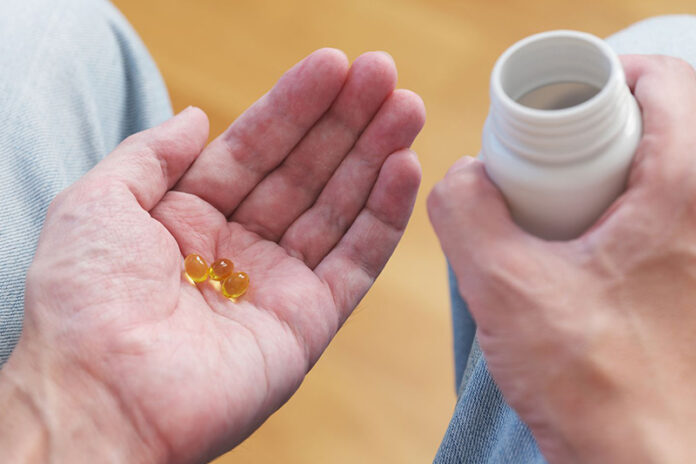
- Supplements: For healthy adults, the tolerable upper intake level (UL) is 4,000 IU/day (100 µg). Label tip: 1 microgram = 40 IU (or 1 IU = 0.025 µg). Most daily D3 supplements sit far below rodenticide doses.
Bottom line: a sensible supplement ≠ , a bait block.
How rodenticide-level D3 harms
At very high doses, vitamin D3 increases calcium absorption from the gut and releases calcium from bone. The resulting hypercalcaemia can cause nausea, vomiting, weakness, abnormal heart rhythms, and—over time—kidney injury. In pets, signs may begin 18–36 hours after ingestion and can escalate without treatment.
Smart safety at home
- Store and use baits like any poison. Keep them locked away; follow label directions; never place where children or animals can access.
- Keep supplements out of reach. Vitamins are still medications; child-proof storage matters.
- Suspect a poisoning? In Canada, call 1-844-POISON-X (1-844-764-7669) for your local poison centre, 24/7. If symptoms are severe, call 911.
Myth vs fact
Myth: “If D3 is in rat poison, all D3 is dangerous.”
Fact: Many essential nutrients are life-sustaining at normal intakes and harmful at extreme ones (think iron, even water). With vitamin D, the differences are dose and formulation.
Myth: “All rat poisons are blood thinners.”
Fact: No. Cholecalciferol is a different, non-anticoagulant class that kills via calcium overload.
Myth: “I should stop taking vitamin D.”
Fact: Not necessarily. Many Canadians benefit from modest supplementation—especially in winter or with limited sun exposure. Talk to your health-care provider before high-dose use, particularly if you have kidney, calcium, or parathyroid issues.
Quick reference: dose conversions
- 1 microgram (µg) = 40 IU
- 1 IU = 0.025 µg
Use this to sanity-check labels and keep daily totals sensible.
For pet owners
Cholecalciferol baits are a growing cause of pet poisonings. Dogs are especially vulnerable. If you suspect your pet ate bait—or a mystery “treat” from the garage—seek veterinary care immediately and bring the product label if you can. Early treatment saves lives.
Yes, some rodent baits use vitamin D3—at rodenticide-level doses. That fact doesn’t turn your daily supplement into a toxin. Respect the difference, store products safely, and reach out for help if you’re ever unsure.