





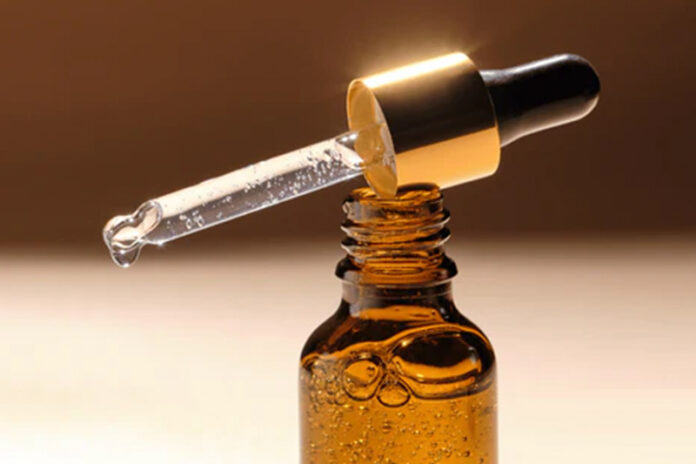
Kojic acid was a happy accident of food science. Brewers noticed that “koji” rice used in traditional sake fermentation—cultured with friendly fungi—also produced a tiny molecule that could dial down unwanted pigment. Today, that molecule sits in your serum. Kojic acid gently slows tyrosinase, the copper-dependent enzyme that assembles melanin, so fewer dark spots show up on the surface. Think of it as a hall monitor for pigment: not a bleacher, just a calm moderator.
Why it feels like magic (but isn’t):
• It tempers new pigment formation rather than scrubbing off what’s already there, so results build gradually and look natural.
• It plays well with niacinamide, arbutin, vitamin C, and tranexamic acid for a multi-pathway routine.
• Typical sweet spot is 1–2% in leave-on formulas. Gentle soaps may contain kojic acid but are often too brief on skin to be the main event.
Pro usage intel:
• Layer after cleansing and before moisturizer; finish with broad-spectrum SPF every morning.
• Start 3–4 nights a week, then increase as tolerated.
• Expect visible tone-evening in 4–8 weeks with consistent SPF.
• Sensitive skin? Pair with barrier-loving ingredients (ceramides, glycerin) and avoid stacking strong acids and retinoids in the same session.
• Storage matters: keep cool, capped, and out of bright light to minimize oxidation.
Great for: sun spots, post-blemish marks, and maintenance alongside pro treatments.