





It’s not every day that a vivid blue liquid captures the attention of scientists, doctors, beauty insiders and wellness bloggers all at once. But methylene blue — yes, a synthetic dye first used in the 1800s — is doing just that. It’s bold, it’s trending, and it’s not without controversy.
Originally developed to dye fabric and later used to treat malaria, methylene blue’s resurgence comes not from the world of fashion or pharmaceuticals, but from a growing corner of wellness that blurs the line between cutting-edge science and holistic living. From brain fog to burnout, this blue elixir is being hailed as a mental clarity miracle, a cellular energy booster, and, according to some, a new frontier in cognitive health. But is methylene blue a breakthrough… or just another biohacking fad with good marketing?
The Brain-Boosting Appeal
What makes this compound so intriguing is its connection to the mitochondria — the tiny structures inside our cells that turn nutrients into energy. Methylene blue appears to support mitochondrial function, potentially helping the body produce more ATP, which fuels everything from thinking clearly to feeling physically energized. Some early studies have even explored its possible protective effects on the brain, particularly in relation to Alzheimer’s disease and age-related cognitive decline. Naturally, those looking for sharper focus, more stamina, or a productivity edge are paying attention.
The idea that a teaspoon of a blue-tinted liquid could enhance focus, lift mood, and slow down aging is compelling, especially for women navigating mid-life demands or mental fatigue. And for some, the effects are real: improved memory, better word recall, and a steadier emotional state. Some biohackers even call it “the ultimate nootropic” — a natural compound that boosts mental performance. The fact that it also turns your urine blue only adds to the mystique.
What the Wellness World Isn’t Telling You
But like so many things that sound too good to be true, there’s another side to the story.
The same mechanisms that make methylene blue interesting can also make it dangerous in the wrong context. It interacts with serotonin in the brain, which means anyone taking antidepressants — particularly SSRIs or MAOIs — could be at risk of serotonin syndrome, a potentially serious condition that causes agitation, confusion, and elevated heart rate. It also doesn’t take much to go from helpful to harmful. The effective dose is extremely small, and many products sold online aren’t pharmaceutical grade or even formulated for human consumption.
Even when used cautiously, methylene blue may interfere with diagnostic tests, create sensitivity in the skin, or result in unexpected reactions. It’s a reminder that just because something is natural or popular, doesn’t mean it’s universally safe.
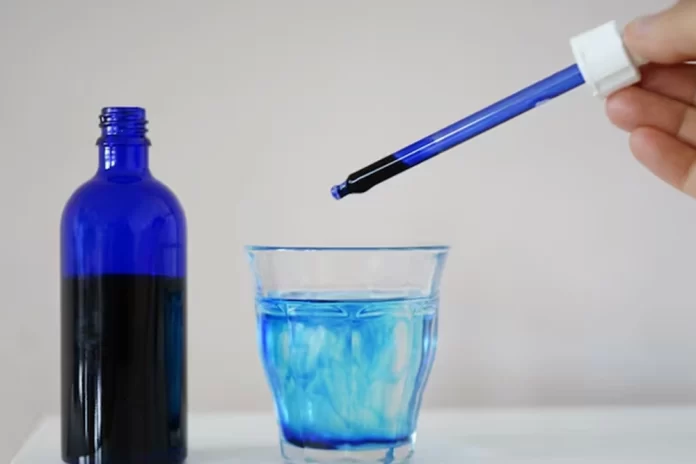
And yet, the curiosity continues. TikTok is awash with beauty and wellness creators swirling blue drops into glasses of water and describing everything from “brain buzz” to “euphoric calm.” In health circles, researchers are calling for more clinical trials. In the wellness world, cautious optimism is the prevailing tone.
Should You Try It?
So, where does that leave us? Somewhere between wonder and wisdom.
Methylene blue is not a beauty serum, nor is it a casual supplement you pick up on a whim. It’s a compound with real pharmacological activity, and it should be treated as such. That means consulting with your healthcare provider, checking every ingredient and source, and asking whether it aligns with your unique needs and current medications.
In a space filled with green powders, collagen peptides and mushroom coffee, methylene blue stands out — not just for its colour, but for the boldness of its promise. It hints at a future where science and wellness move even closer together, where energy isn’t just something you feel, but something you optimize at the cellular level.
Until then, think of methylene blue not as a magic potion, but as a conversation starter — one that invites you to explore the incredible complexity of your body, your brain, and your personal path to wellness.