





The Ancient Secret Making a Loud Comeback
It’s been called “the seed that cures everything but death.”
A bold claim. A viral claim. And today, a claim that’s back in the spotlight—fuelled by TikTok trends, wellness influencers, and a growing appetite for natural solutions.
But Ethiopian black seed oil is not just another fleeting trend. It’s a 2,000-year-old remedy rooted in traditional medicine across Africa, the Middle East, and Asia—now being re-examined through the lens of modern science.
So the real question is not whether it’s popular.
It’s whether it’s real… or just really good marketing.
What Exactly Is Ethiopian Black Seed Oil?
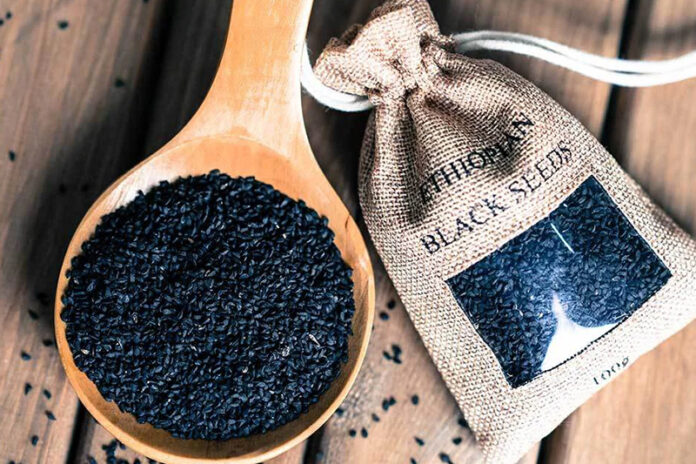
Black seed oil comes from the tiny black seeds of Nigella sativa, a flowering plant with a long history in herbal medicine.
What makes the Ethiopian variety stand out?
-Higher altitude growing conditions
-Mineral-rich soil
-Stronger concentration of thymoquinone—its key active compound
In simple terms:
More potency, more intensity, and potentially more impact.
It’s also typically cold-pressed, preserving its bioactive compounds—something premium wellness consumers are increasingly demanding.
Why Everyone Is Suddenly Talking About It
Wellness has shifted.
Consumers are no longer just looking for quick fixes—they want:
-Functional ingredients
Proven benefits
-Natural alternatives
Ethiopian black seed oil sits perfectly at that intersection.
It promises:
-Immune support
-Reduced inflammation
-Better skin and hair
-Metabolic balance
And in a world of burnout, stress, and rising chronic conditions, that promise is powerful.
The Science: Where It Gets Interesting
Let’s separate hype from evidence.
1. Anti-Inflammatory Power
Thymoquinone, the star compound in black seed oil, has been widely studied for its ability to reduce inflammation and oxidative stress.
Translation?
It may help support the body in managing conditions linked to chronic inflammation.
2. Immune System Support
Unlike many “immune boosters,” black seed oil appears to modulate the immune system—helping it respond appropriately rather than overstimulating it.
That’s a key distinction in modern wellness.
3. Metabolic Health
Emerging studies suggest benefits for:
-Blood sugar regulation
-Cholesterol levels
Not a magic fix—but a valuable supporting player in metabolic health strategies.
4. Skin and Scalp Benefits
Topically, black seed oil is gaining traction for:
-Acne-prone skin
-Dry scalp
-Mild eczema
Its antimicrobial and soothing properties make it a favourite in clean beauty routines.
The Myth: Where Things Go Too Far
Here’s where the story gets complicated—and where credibility matters.
The “Cure-All” Claim
The famous phrase about curing everything except death?
It’s cultural, not clinical.
There is no scientific evidence that black seed oil cures serious diseases.
The Cancer Narrative
Lab studies show promise—but human clinical proof is still limited.
Positioning it as a cure is not just inaccurate—it’s irresponsible.
The Instant Results Expectation
This is not a quick-fix product.
Benefits, when experienced, are typically:
-Gradual
-Subtle
-Cumulative
Why Ethiopian Sourcing Matters More Than You Think
Not all black seed oils are created equal.
Ethiopian oil is often considered premium because:
-It contains higher levels of active compounds
-It has a stronger, more pungent profile (a sign of potency)
-It is frequently less processed
For consumers, that translates into quality over commodity.
How to Use It (Without Overdoing It)
If you’re curious about trying it, here’s how it’s commonly used:
Internally
Small daily doses (often ½ to 1 teaspoon)
Best taken consistently over time
Topically
Applied to skin or scalp
Often diluted with a carrier oil
As with any supplement, it’s wise to consult a professional—especially if you have underlying conditions or are taking medication.
The Verdict: Myth or Reality?
Ethiopian black seed oil is not a myth.
It’s a legitimate, bioactive natural product with promising scientific backing.
But it’s also not a miracle cure.
The truth lives in the middle:
It is a powerful, supportive wellness tool—best used with realistic expectations and informed understanding.
Why It’s Here to Stay
Unlike many wellness trends, black seed oil has something most don’t:
-Deep historical roots
-Growing scientific interest
-Strong consumer demand for natural solutions
That combination gives it staying power—not just as a trend, but as a category-defining ingredient.
In a world full of exaggerated claims, Ethiopian black seed oil stands out—not because it does everything, but because it does enough to matter.
And in modern wellness, that might be exactly what people are looking for.
Sources
National Center for Biotechnology Information (NCBI) – Studies on Nigella sativa and thymoquinone
Journal of Ethnopharmacology – Traditional and clinical uses of black seed
Frontiers in Pharmacology – Anti-inflammatory and antioxidant properties of thymoquinone
Mayo Clinic – Guidance on supplements and immune health