





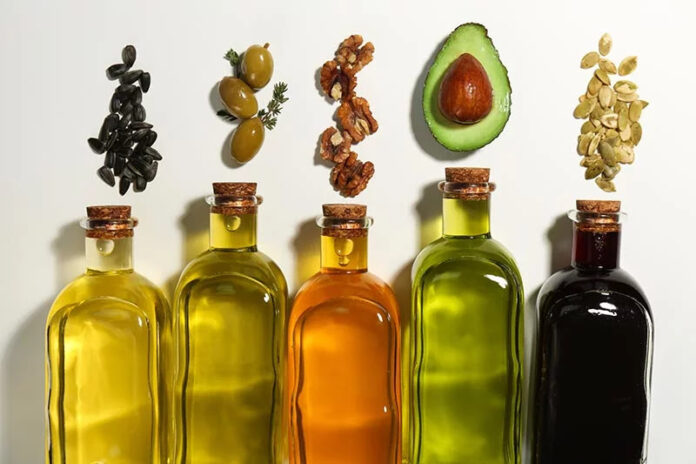
Every morning, millions of people reach for their favorite cooking oil without a second thought. But this seemingly simple kitchen staple packs more influence than most realize. The bottle you grab can dramatically alter your meal’s flavor, determine whether you’re supporting or sabotaging your health goals, and either strain or strengthen your grocery budget.
Recent scientific breakthroughs are reshaping our understanding of cooking oils. From Johns Hopkins’ research debunking seed oil myths1 to 2025 studies revealing canola oil’s surprising cardiovascular benefits2, the landscape has never been more complex—or more promising.
The Health Revolution: What Science Really Says About Your Oil
The Seed Oil Vindication
For years, wellness influencers have demonized seed oils like canola, soybean, and sunflower oil, blaming them for everything from inflammation to cancer. But the scientific community is fighting back with hard data that tells a completely different story.
Matti Marklund, an assistant professor at Johns Hopkins1, puts it bluntly: “There is abundant evidence suggesting that seed oils are not bad for you. If anything, they are good for you.”
The latest research is remarkable. A 2019 study tracking over 68,000 participants across 30 studies in 13 countries2 found that people with the highest levels of linoleic acid—the primary omega-6 fatty acid in seed oils—had significantly lower risks of developing cardiovascular disease. The association was especially strong for cardiovascular mortality and incident stroke, according to Marklund’s research.
Even more impressive, a 2019 analysis of 30 studies2 showed that people with higher amounts of linoleic acid in their blood were 7% less likely to develop heart disease. This flies in the face of popular claims about seed oil dangers.
The Canola Oil Surprise
Perhaps no oil has experienced a more dramatic reputation shift than canola oil. Once dismissed as processed junk, recent meta-analyses of 27 trials2 reveal canola oil actually outperforms olive oil in several key areas:
- Superior cholesterol management: Canola oil produces better improvements in blood cholesterol levels than olive oil2, which has long been hailed as the healthiest of all oils
- Weight loss support: Studies show dramatic weight reduction, especially in people with type 2 diabetes
- Balanced nutrition: Provides a balanced combination of healthy fats, including monounsaturated fats, omega-6 polyunsaturated fats, and omega-3 polyunsaturated fats2
- Blood sugar control: The healthy fats in canola oil improve blood glucose, insulin resistance, and insulin production2
The research is so compelling that experts now recommend canola oil over traditional “healthy” options for specific health goals.
The Inflammation Myth Debunked
The persistent claim that omega-6 fatty acids cause inflammation has been thoroughly discredited. Controlled trials consistently show omega-6 fatty acids do not increase inflammation1. In fact, new research shows that omega-6 fatty acids give rise to unique natural molecules, like lipoxins, that have powerful anti-inflammatory effects in the body2.
A 2022 World Health Organization review and meta-analysis2 concluded that a high intake of omega-6 fatty acids from seed oils is unlikely to increase your risk of death and disease, though researchers noted that more high-quality research is still needed.
Recent Research on Cardiovascular Benefits
The cardiovascular benefits of seed oils are particularly impressive. Research shows that linoleic acid can improve glucose metabolism and even prevent a person from developing type 2 diabetes1, which is a well-known risk factor for cardiovascular disease.
Marklund’s research team made another striking discovery: participants with the highest levels of linoleic acid had a 35% lower risk of developing type 2 diabetes compared to those with the lowest levels. For example, controlled trials show that linoleic acid reduces bad cholesterol (LDL cholesterol), increases good cholesterol (HDL cholesterol), and may even lower blood pressure1.
The Temperature Game: Matching Oil to Heat
Understanding smoke points isn’t just about preventing kitchen disasters—it’s about food safety and flavor preservation. When oil reaches its smoke point, it begins burning, creating harmful compounds and bitter flavors that can ruin your meal3.

High-Heat Champions (400°F+)
If you’re cooking at 350-400°F or higher, choose an oil with a high smoke point3. For searing, deep-frying, and wok cooking, these are your best options:
- Zero Acre oil3 (up to 485°F): Engineered for maximum stability with less than 3% linoleic acid
- Avocado oil3 (up to 482°F): Premium choice with excellent thermal stability
- Ghee or clarified butter3 (around 482°F): Traditional option with rich flavor and good thermal stability
- Soybean oil3 (400-450°F): Budget-friendly option with moderate polyunsaturated fat content
Medium-Heat Heroes (350-400°F)
Perfect for sautéing and most everyday cooking:
- Extra virgin olive oil3 (350-406°F): Despite misconceptions, research shows olive oil is safe for cooking4. According to the UC Davis Olive Oil Center, certain olive oils can have a smoke point as high as 464°F3
- Coconut oil (350°F): Adds subtle tropical notes with good thermal stability
- Peanut, cottonseed, rice bran, corn, safflower, and grapeseed oils3 (400°F or higher): Various neutral flavors, good all-rounders
The Stability Factor Beyond Smoke Points
Smoke point alone doesn’t tell the whole story3. Thermal stability—how well an oil maintains its structure under heat—matters equally. Along with smoke points, also consider thermal stability and fatty acid content when choosing oils3.
Oils with high smoke points and good thermal stability are excellent choices for high-heat cooking3. The key is finding oils that are low in polyunsaturated fats, which break down rapidly under heat despite having decent smoke points.
What Happens When Oil Overheats
The consequences of exceeding smoke points are serious. Overheating cooking oils creates undesirable flavors and harmful byproducts3. Specifically, overheating certain oils can actually create byproducts such as acrylamides, toxic aldehydes, hydroxylinoleate, free radicals, and trans fats3.
Even more concerning, generating cooking oil fumes can increase the risk of lung cancer3. This makes proper temperature control not just a culinary concern, but a health imperative.
The Flavor Revolution: How Oil Transforms Your Food
Your cooking oil choice doesn’t just affect nutrition—it fundamentally shapes your food’s taste, appearance, and shelf life. Research from the food industry5 reveals fascinating insights about how oils define the entire product experience.
Flavor Profiles That Transform Your Cooking
Each oil offers its own unique flavor impact5. Understanding these profiles can elevate your cooking:
- Canola oil5: Known for its clean flavor profile, providing the perfect canvas to let seasonings and other flavors shine
- Corn oil5: Adds a sweet, “corny” note—a nice finishing touch for many corn-based chips and dishes
- Sunflower or peanut oils5: Benefit from the “nutty” profile, adding depth without overpowering
- Olive oil5: Even the “fruity” notes have their place in cooking
- Soybean oil5: Delivers a buttery note that enhances richness
The Visual Impact of Oil Choice
Oil choices can influence the color of finished products, too5. This affects both appeal and perceived quality:
- Corn oil5: Foods often have a golden appearance
- Cottonseed oil5: Typically imparts an enticing brownish hue
- Canola and sunflower oils5: Result in finished foods with a lighter appearance
The Nutritional Integration Reality
Here’s a mind-bending fact that changes everything: oil becomes part of the food when frying. For example, potato chips may contain 28% to 44% oil by weight5. This means your oil choice becomes a major component of your meal’s nutritional profile, not just a cooking medium.
As a result, a fry oil’s fatty acid profile significantly influences the nutritional profile of the final product5. This becomes crucial as front-of-pack labeling schemes gain traction around the world. Canada, for example, now requires front-of-pack labeling for prepackaged foods that meet or exceed set levels for saturated fat5.
Health-Conscious Oil Selection for Food Quality
This growing emphasis on health considerations makes understanding the nutritional nuances of various oil solutions essential5:
- Canola oil boasts the lowest saturated fat of any oil5: It’s the go-to choice when brands prioritize reducing saturated fats
- High-oleic sunflower oil is another good choice when nutritional considerations are a priority5
Interestingly, consumers’ perceptions and fat profile realities don’t always align. Avocado oil is a great example. While it’s enjoying some health buzz with consumers, nutritionally, a number of more mainstream oils offer notable benefits. For example, both canola and sunflower oils are lower in saturated fat and higher in monounsaturated fats—the so-called “good” fats5.
The Wallet Reality: 2025 Price Landscape Shock
Cooking oil prices have become a significant household expense, with dramatic shifts reshaping the market in ways that might surprise you.
Current Price Breakdown (2025 Update)
Recent market analysis6 reveals striking price disparities that every household should understand:
| Oil Type | Price Range (per gallon) | Notes |
|---|---|---|
| Soybean oil | $7-9 | Most economical option |
| Canola oil | $12-16 | Premium mid-tier, 13.55% increase from 2024 |
| Store brand canola | $8-10 | Great Value Canola Oil with 4.5/5 stars provides budget options, delivering quality matching national brands while reducing costs 20-30%6 |
| Olive oil (regular) | $15-25 | Standard varieties |
| Premium extra virgin olive oil | $30-40 | Highest quality tier |
The Shocking Price Drivers Behind 2025 Increases
US canola oil prices increased 13.55% year-over-year to US$12-16/gallon at retail in June 20256, driven by several converging factors:
- Biodiesel demand surge: Consuming 25% of domestic supply6, creating unprecedented competition between food and fuel uses
- Climate disaster impacts: Canadian drought reduced shipments 20%6, while Canada normally supplies 85% of US canola oil imports6
- Futures speculation volatility: When hedge funds unwind positions, prices can fall 5-10% within days before recovering6
- Regulatory pressure: US biodiesel mandates require increasing volumes of canola oil6
Future Price Projections
The outlook suggests continued pressure: US canola oil futures project US$531/MT by quarter-end. This suggests retail prices may reach US$17-18/gallon by September 20256.
American consumers face sticker shock as canola oil surpasses US$4/liter at many supermarkets6, making oil selection increasingly important for budget management.
Smart Shopping Strategies for 2025
Despite rising prices, savvy shoppers can find value. Canola oil costs 40% to 60% less than olive oil, ranging US$10 to 14/gallon versus US$15 to 40/gallon6. This price advantage makes canola optimal for high-volume cooking while reserving olive oil for flavor applications.
Budget-conscious consumers should note that retail canola oil prices lag commodity moves by 4-6 weeks6, meaning current pricing may not yet reflect the full impact of recent commodity increases.
Storage Secrets: Protecting Your Investment and Health
Even premium oil becomes worthless—and potentially harmful—if improperly stored. Research on olive oil storage7 reveals how container choice and storage conditions dramatically impact both quality and safety.

The Container Material Hierarchy
Not all containers are created equal. The type of container and storage conditions you choose can make or break its quality over time7:
Excellent Protection:
- Dark glass bottles7: Superior light protection, no chemical leaching, recommended for home storage
- Stainless steel containers7: Excellent for larger quantities and bulk storage, offering unbeatable protection
Good Protection:
- Coated metal containers: Like aluminum with food-grade enamel provide strong protection against environmental factors7
Poor Protection:
- Plastic containers7: Allow oxidation, leach chemicals, and speed up degradation
- Tinplate cans7: Can corrode and contaminate the oil when reused
The Science of Storage Degradation
Light, oxygen, and heat trigger oxidation, changing the oil’s molecular structure and potentially causing it to lose its extra virgin status7. The degradation is measurable and significant:
9-Month Storage Comparison:
| Container Type | Acidity Change | Peroxide Value |
|---|---|---|
| Glass containers | 0.32% → 0.38% | 3.50 mmol/O₂/kg |
| Plastic containers | 0.32% → 0.44% | 6.20 mmol/O₂/kg |
These shifts not only reduce the oil’s nutritional value but also alter its flavor and aroma7. The plastic containers showed nearly double the peroxide levels, indicating severe quality degradation.
Environmental Control Requirements
To maintain the quality of your olive oil, follow these storage tips7:
- Temperature: Keep between 16°C-18°C (61°F-64°F)7, away from heat sources like stoves or ovens
- Light exposure: Avoid all exposure to light7—complete darkness is ideal
- Air contact: Ensure airtight seals7 to prevent rapid oxidation
- Location: A cool pantry or cupboard is an ideal spot for storage7
Advanced Storage Techniques
For daily use, transfer smaller amounts into dark glass bottles to reduce light and air exposure7. This protects your main supply while providing convenient access.
For advanced storage, nitrogen-sparged containers can eliminate oxygen exposure entirely, significantly extending shelf life7. This technique is increasingly used by serious cooks and commercial operations.
Recognizing Quality Degradation
Poor storage conditions can alter the oil’s fat molecules, leading to unpleasant bitter or sour flavors7. Watch for these warning signs:
- Rancid or off flavors: Often the first sign of degradation
- Unpleasant smells: Chemical reactions triggered by light exposure can cause unpleasant smells7
- Increased bitterness: Oxygen contact promotes oxidation and adds bitterness7
- Color changes: May indicate oxidation or contamination
The impact is severe: High temperatures can cut its longevity by half, while light exposure can reduce antioxidant content by up to 30%7.
Making Your Choice: A Science-Based Decision Framework
With all this information, how do you actually choose? Here’s a practical framework based on the latest research:
For Health-Conscious Cooks
Primary choice: Extra virgin olive oil for low-medium heat cooking4, avocado or refined canola for high heat3
Budget alternative: Refined canola oil offers excellent health benefits at moderate cost1, with superior cholesterol management and weight loss support
Avoid: Highly processed oils with additives, and don’t fall for anti-seed oil marketing that contradicts science
For Budget-Focused Households
Best value: Store-brand canola oil provides premium benefits at reduced cost6, offering 20-30% savings while matching national brand quality
Smart timing: Monitor seasonal price fluctuations and commodity market cycles6 to time purchases
Bulk strategy: Consider larger containers if you cook frequently, but ensure proper storage to prevent waste
For Culinary Enthusiasts
Versatility approach: Neutral oils like canola for technique, specialty oils for flavor finishing5
Temperature matching: Multiple oils for different cooking methods—high smoke point oils for searing, moderate for sautéing3
Freshness priority: Smaller containers rotated frequently, stored in dark glass with proper temperature control7
For Families with Dietary Restrictions
Heart health focus: Canola oil’s superior cholesterol benefits and 35% lower diabetes risk1 make it ideal for cardiovascular health management
Weight management: Canola oil’s proven weight reduction benefits, especially for type 2 diabetes2
Anti-inflammatory needs: Seed oils’ linoleic acid creates powerful anti-inflammatory compounds2, contrary to popular misconceptions
The Bottom Line: Science Wins Over Marketing
Your daily oil choice ripples through every aspect of your cooking experience, health outcomes, and household budget. Recent scientific vindication of seed oils1, combined with emerging research on thermal stability and smoke points3, suggests the healthiest choice isn’t necessarily the most expensive or most heavily marketed.
The Surprising Winner
Based on comprehensive analysis, canola oil emerges as a surprising champion—offering superior health benefits to olive oil in cholesterol management2, reasonable pricing at $10-14/gallon6, and excellent versatility for most cooking methods. The science is clear: canola oil produces excellent benefits for blood cholesterol levels and modestly reduces body weight2.
The Storage Reality Check
Proper storage matters more than premium pricing. A well-stored mid-tier oil outperforms a poorly stored premium option every time7. The research shows that plastic containers can nearly double degradation compared to glass storage7—making container choice as important as oil selection.
The Price-Performance Sweet Spot
With canola oil prices up 13.55% in 20256 but still costing 40-60% less than olive oil6, it offers the best combination of health benefits, cooking performance, and affordability.
Your kitchen oil isn’t just a cooking medium—it’s an investment in health, flavor, and financial wisdom. Choose based on science, not social media. Store properly in dark glass containers. Let evidence guide your decisions, and your taste buds, body, and wallet will all benefit.
The daily decision is yours, but now you have the facts to make it wisely.