





Say “parasites,” and most of us picture something out of a horror film. In reality, parasites are part of the natural world, and exposure is more common than we think. The good news is that your body is not a helpless victim. Every day, your gut, immune system, and microbiome quietly work to keep unwanted guests in check.
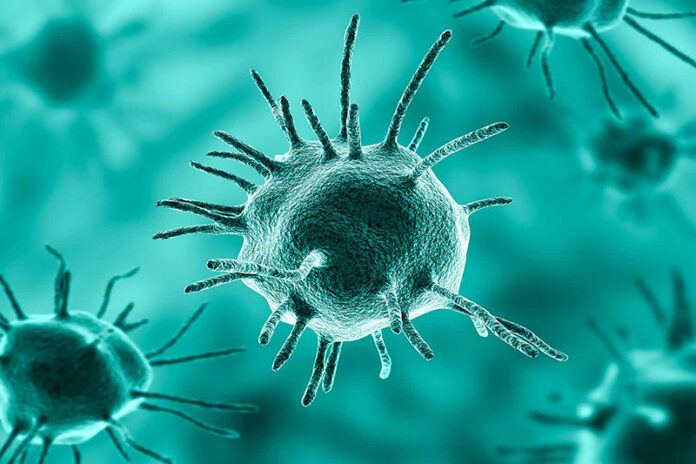
A parasite is an organism that lives in or on a host and survives by taking nutrients. In humans, the main culprits are microscopic protozoa that can cause diarrhea and cramping, larger worms that live in the intestines, and surface-dwellers like lice and some mites. They are very different from the friendly microbes that live in your gut and help you digest food, produce vitamins and train your immune system. Those “good bugs” are part of your defence system, not your enemy.
For women trying to maintain their health in a busy, modern world, online talk of “parasite cleanses” can be both tempting and confusing. Do you really need weeks of bitter herbs? Is every bloated evening a sign of worms? Or is your body more capable than you realise?
This is where it helps to separate hype from biology.
What Parasites Are Really Doing in Your Body
Most parasites that concern us enter through the mouth. Tiny eggs or cysts are shed in the stool of an infected person or animal. If hands are not washed properly, if water is contaminated, or if raw foods are handled carelessly, those eggs can find their way to someone else’s plate. A simple salad made with unwashed produce, or street food prepared without proper hygiene, can become a vehicle for microscopic hitchhikers.
Undercooked meat and fish are another well-known source. Certain tapeworms use cattle, pigs or fish as part of their life cycle. When beef, pork or freshwater fish are not heated enough to kill larvae, they may reach the human intestine alive. In parts of the world where sanitation is weaker, parasite eggs can also contaminate soil, and walking barefoot or touching soil and then your mouth can complete the journey.
In tropical and subtropical regions, insect bites add another layer of risk. Some parasites live part of their life cycle in mosquitoes or other biting insects. When those insects feed, they can introduce parasites directly into the bloodstream. Travel history, camping trips, and even where you swim or hike can all become important pieces of the puzzle when a clinician is trying to understand new symptoms.
Despite all of this, not every exposure becomes an infection. A great deal depends on the dose of parasites, the type, and—crucially—the strength and balance of your own defences.
How Your Body Fights Parasites Every Day
Against all these potential invaders, your body has built-in armour. The first line of defence is physical and chemical. Your skin is an excellent barrier. Inside, your stomach produces strong acid that destroys many eggs and cysts before they ever reach the intestines. The gut lining is coated in mucus, and waves of muscular contractions keep food—and potential invaders—moving along. For a parasite to survive, it has to get past the acid, penetrate the mucus and attach to the gut wall before it is swept away.
If it does get through, the immune system responds. The innate immune system reacts first, spotting general patterns on parasites and releasing chemical signals that call in more cells. Some of these, such as eosinophils and mast cells, are particularly active against worms. They release toxic granules and signalling molecules that make life difficult for large invaders and can help push them out of tissues.
Over time, the adaptive immune system joins in. T cells help coordinate targeted responses, while B cells produce antibodies that bind to parasites and make them easier to attack or dislodge. It is a sophisticated, layered defence that has evolved specifically to handle threats like these. This is also why some people experience strong gut reactions—more mucus, cramping, increased bowel movements—when the immune system is actively trying to expel parasites.
Your gut microbiome is part of the story as well. The trillions of bacteria and other microbes living in your intestines are not just passengers. They compete with harmful organisms for space and nutrients, produce compounds that influence parasite survival, and help maintain the integrity of the gut lining. A diverse, well-fed microbiome tends to support balanced immunity and a gut environment that is less welcoming to pathogens.
Can your body clear parasites on its own? Sometimes. Mild infections can resolve without you ever realising. In other cases, parasites can linger, quietly stealing nutrients, contributing to iron deficiency or causing ongoing digestive upset and fatigue. Because those symptoms overlap with many other conditions, it is easy to either panic about parasites when they are not present or overlook them when they are. Persistent diarrhea, abdominal pain, unexplained weight loss, blood in the stool or symptoms that begin after high-risk travel are all reasons to see a health care provider. Proper testing and, when needed, prescription antiparasitic medications remain the safest and most effective treatment.
Foods and Herbs That Support Your Natural Defences
Where do food and herbs fit in? Think of them as support for your body’s own systems rather than stand-alone cures. A balanced diet rich in whole plant foods, adequate protein and healthy fats helps keep your immune system and microbiome resilient.
Garlic is one of the best-known examples. It contains sulphur compounds with antimicrobial and antiparasitic activity in laboratory studies. While it will not single-handedly eliminate a serious infection, using garlic liberally in cooking can offer gentle support alongside other benefits for heart and immune health.
Pumpkin seeds are another traditional ally. They contain compounds that appear to affect certain worms in experimental settings and are also rich in fibre, minerals and healthy fats. A small handful as a snack, or sprinkled onto salads and grain bowls, is a simple, food-first strategy that also supports regularity.
Papaya is well known in traditional medicine for gut health; its seeds have shown promise in small studies on intestinal parasites, but dosing and long-term safety are not yet firmly established. Enjoying ripe papaya as part of a high-fibre breakfast is a safe way to incorporate this fruit while research continues, without depending on high-dose seed preparations as a do-it-yourself treatment.
Beyond specific foods, the overall pattern of eating matters most. Vegetables, fruits, legumes, whole grains, nuts and seeds all provide the prebiotic fibre that feeds beneficial bacteria. Fermented foods such as sauerkraut, kimchi, yogurt and kefir introduce live microbes that add diversity. Together, these habits support regular bowel movements, a strong gut barrier and a balanced microbiome—three quiet but powerful tools in parasite defence.
Herbal “parasite cleanses” deserve a cautious approach. Blends containing wormwood, black walnut, clove, goldenseal, Oregon grape or concentrated oregano oil are widely marketed. Some of these herbs show antiparasitic effects in laboratory models, and carefully controlled forms of certain plants are used in conventional medicine. But over-the-counter products vary in quality and potency, can interact with medications, may stress the liver when taken in large doses or for long periods, and are not always safe in pregnancy, while breastfeeding or for children. If you are considering a herbal protocol, it is wise to work with a qualified practitioner who can personalise dosing and monitor for side effects. Any product promising to “flush out all parasites in seven days” is a sign to pause and ask more questions.
Smart Prevention: The Quiet Side of Parasite Care
In the end, the most effective parasite strategy is quiet and unglamorous. Thorough handwashing with soap and water after using the toilet, before preparing food, after gardening and after handling animals dramatically lowers your risk. Washing and peeling produce, especially when eaten raw, adds another simple layer of protection. Cooking meat and fish properly, drinking safe water—especially when travelling—wearing shoes in areas with poor sanitation and deworming pets as advised by your veterinarian close off many of the routes parasites depend on.
The takeaway is reassuring. Parasites are real, but so is your body’s ability to resist them. You do not need to live in fear or jump on extreme detox bandwagons. Focus on everyday hygiene, a gut-loving diet and getting medical advice when symptoms warrant it. By supporting the systems you already have—stomach acid, gut lining, immune cells and microbiome—you are quietly doing some of the best “parasite work” possible, every single day.