




Introduction
When it comes to keeping our homes and food safe from pests, many of us reach for sprays or traps without thinking twice. But did you know that most chemical pesticides don’t just kill bugs—they can also leave behind residues that affect the environment, pets, and even the food we eat?
The good news is that there’s a natural alternative that has been around for decades and is making a big comeback among health-conscious families: diatomaceous earth (DE). This fine, powdery substance looks simple enough, but it’s proving to be one of the safest and most effective ways to deal with unwanted pests—without harmful chemicals.
What Is Diatomaceous Earth?
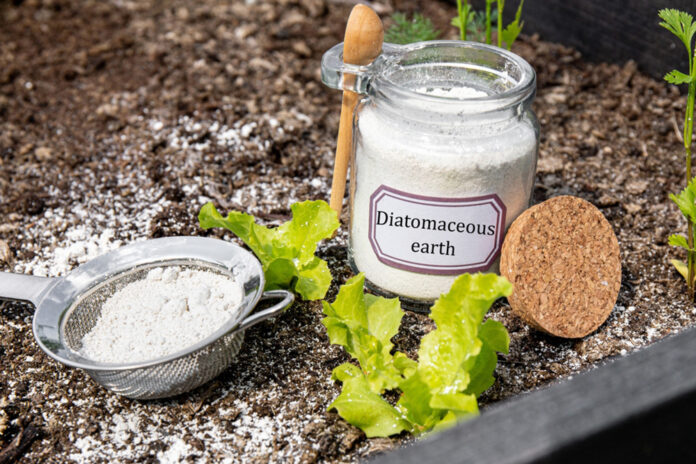
Diatomaceous earth is made from the fossilized remains of tiny aquatic plants called diatoms. Under the microscope, DE particles look like sharp little crystals. When insects crawl across it, those crystals damage their outer shell, causing them to dehydrate naturally.
That might sound harsh, but here’s the critical part: DE only affects insects. Food-grade DE is safe to use around people, pets, and even in your kitchen. It’s a natural mineral—no toxic chemicals, no harsh odours, and no lingering residues.
Why Choose DE Instead of Chemical Sprays?
For families who want to reduce chemical exposure, DE has clear advantages:
- Nontoxic: Food-grade DE is safe to use indoors and around kids and pets.
- Residue-free: It won’t contaminate your food or your soil.
- Eco-friendly: Because it doesn’t rely on chemicals, it won’t harm pollinators like bees or seep into waterways.
- Long-lasting: When kept dry, it continues working for weeks at a time.
In fact, research from the United States Department of Agriculture found that DE worked better than some common chemical insecticides against pests like rice weevils and grain beetles. That means you can skip the chemicals and still get results.
Everyday Ways to Use Diatomaceous Earth
Wondering how you can use DE in your daily life? Here are some simple, practical ways families are putting it to work:
- In the pantry: Lightly dust DE around flour, rice, and grain containers to keep out weevils and pantry moths.
- In the garden: Sprinkle it around plant bases to deter crawling insects like slugs and ants.
- For pets: Many pet owners use DE on bedding or in outdoor areas as a natural flea control. (Check with your vet before applying directly to your pets.)
- At home: Apply it in cracks, corners, and baseboards to stop ants and roaches in their tracks.
Like any natural product, DE has its limits. It works best in dry conditions, so it’s not as effective in damp areas. And unlike chemical sprays, it doesn’t kill instantly—it may take a few days before you notice a difference. But with a little patience, DE provides long-lasting, safe protection.
How to Get Started Safely
If you’re curious to try DE, here are a few tips:
- Look for food-grade DE. This is the safe kind for home and kitchen use. Avoid pool-grade DE.
- Apply lightly. A thin dusting is enough—you don’t need piles of powder.
- Keep it dry. DE loses its power when wet, so reapply after watering your garden or cleaning.
- Store it well. Keep the container sealed and in a dry place.
For families striving to live greener and healthier, switching from chemical pesticides to diatomaceous earth is a small step with a big impact. Not only does it protect your home and food from pests, but it also reduces your family’s exposure to harmful chemicals.
By choosing DE, you’re embracing a solution that’s safe, effective, and eco-friendly—a win for your family and for the planet.