




A plant-based lifestyle can feel clean, energising and deeply aligned with modern wellness values. But there is one nutrient that deserves more attention than many vegans realise: iron.
This is not because vegan eating is inherently unhealthy. Far from it. A well-planned plant-based diet can offer fibre, antioxidants, phytonutrients and a wide range of whole-food benefits. The challenge is more specific. The iron found in plant foods is a different form from the iron found in animal foods, and the body does not absorb it as easily. Health Canada notes that iron requirements are higher for vegetarians because of the lower bioavailability of iron from vegetarian diets. (Canada)
That difference matters more than most people think. Iron is essential for carrying oxygen through the body, supporting healthy red blood cells, helping energy production and contributing to cognitive and immune function. When iron levels begin to slip, the signs are often subtle at first. A person may blame stress, poor sleep or a busy schedule, when the real issue is that the body is not getting or absorbing enough iron to keep up with its needs. (Office of Dietary Supplements)
For vegans, the core issue is not always low intake. It is often low absorption. Plant foods contain non-heme iron, while animal foods contain heme iron as well. According to the NIH, heme iron is more bioavailable, while non-heme iron is more strongly affected by other foods and nutrients consumed alongside it. The same source notes that iron bioavailability is about 14 to 18 per cent from mixed diets, compared with about 5 to 12 per cent from vegetarian diets. (Office of Dietary Supplements)
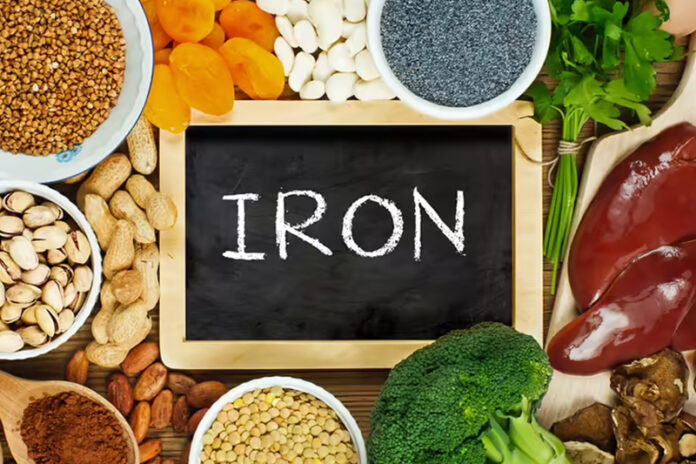
This is why someone can eat what looks like a very healthy vegan diet and still struggle with iron status. Coffee with breakfast, tea after meals, high-phytate grains, and calcium taken at the wrong time can all work against non-heme iron absorption. On the other hand, vitamin C can significantly improve iron absorption from plant foods. Canada’s Food Guide specifically highlights nuts, seeds, legumes, dark green vegetables and whole grains as sources of iron, and recommends pairing plant-based iron with vitamin C-rich foods to help the body absorb more of it. (Office of Dietary Supplements)
In practical terms, this means the smartest vegan iron strategy is not just to eat more iron-rich foods. It is to build meals more strategically. Lentils with tomatoes, tofu with bell peppers, pumpkin seeds with berries, chickpeas with lemon, or fortified foods combined with fruit can all help shift absorption in the right direction. Small decisions around timing can also make a meaningful difference, especially for people who drink coffee or tea regularly. (Office of Dietary Supplements)
Some people need to be even more mindful. Women with heavy periods, active individuals, teens, pregnant women, and those who already feel run down may be more vulnerable to low iron. Fatigue, weakness, shortness of breath, headaches, dizziness, pale skin, brittle nails or feeling unusually cold can all be signs worth paying attention to. This is where a polished wellness routine needs to become a little more clinical. Iron is not a nutrient to guess at casually. It is worth checking properly when symptoms or risk factors are present. (Office of Dietary Supplements)
That is also why this conversation matters in the supplement space. A modern vegan shopper is not simply looking for a generic iron pill. They are looking for products that are easy to tolerate, well formulated, aligned with plant-based values and supported by a broader wellness philosophy. That is where MyVivaStore offers a relevant product mix for readers who want more intentional support. Current listings include FLORA Iron+ in capsules, FLORA Iron+ Vitamins & Minerals in liquid form, and FLORA Ferritin+ in vegetarian capsules, giving shoppers a range of options depending on their format preference. (MY VIVA STORE)
For those seeking a more targeted formula, MyVivaStore also lists NOW Liquid Iron, a vegan option positioned as easy to digest and non-constipating. VITALITY Power Iron + Organic Spirulina is another strong example of where the category is heading. It combines iron with vitamin B12, folate, vitamin C and organic spirulina in a vegan capsule, reflecting the growing demand for more complete and thoughtful formulas rather than one-dimensional supplementation. (MY VIVA STORE)
There are also broader wellness products that fit naturally into an iron-conscious vegan lifestyle. MyVivaStore’s ORGANIKA Spirulina Powder is presented as rich in iron and antioxidants, making it appealing for smoothie-based routines and daily nutritional stacking. The store’s current positioning also reflects a larger trend toward personalised supplement routines, where diet pattern, energy demands and lifestyle all shape how consumers choose support products. (MY VIVA STORE)
The bigger takeaway is simple. Veganism is not the problem. Unplanned veganism can be. Iron is one of the clearest examples of how healthy eating and strategic nutrition are not always the same thing. For Viva readers, this is where wellness becomes more intelligent. The goal is not fear. It is awareness. With the right food pairings, better timing and access to well-chosen support products, vegans can protect their energy, support their health and stay fully aligned with the lifestyle they believe in. (Canada)